Key Points to Review Before Booking a Private Boat Charter in Crete
Booking a private boat charter in Crete sounds straightforward, but the details matter more than most people expect. A few hours on the water can be blissful or frustrating depending on what you checked beforehand. This article walks through the practical points that separate a smooth day from one spent dealing with surprises.
Boat type and capacity
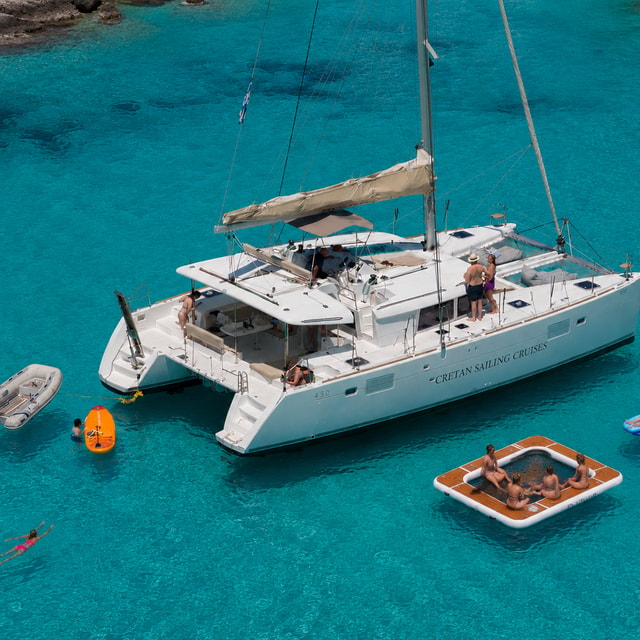
The first question is what kind of boat suits your group. Motor yachts offer speed and covered seating, while a sailing catamaran gives you space, stability, and a quieter ride. For Crete catamaran cruises, the wide deck and shallow draft mean you can get closer to coves that larger vessels cannot reach. Check the official passenger capacity, not just the number of berths. A boat that sleeps eight may only be licensed for six on a day charter. Crowding kills comfort, especially when you want to lounge or eat on board.
Crew qualifications and language
Private charters come with a skipper and often a host or cook. Ask what certifications the crew hold. In Greece, commercial skippers need a license from the local port authority, and the boat must have a valid operating permit. Language matters too. If your group speaks English, confirm the crew can communicate clearly about safety procedures, the route, and any changes due to weather. A friendly crew who cannot explain the basics is a liability.
Itinerary and flexibility
Some charters follow a fixed route; others let you decide on the day. Decide which style fits your group. A fixed route works if you want a relaxed day without planning. A flexible itinerary is better if you have specific places in mind, like a quiet bay for swimming or a taverna only reachable by boat. Ask how much say you have in the schedule and what happens if the wind or sea state changes the plan. Good operators keep a backup route ready.
What is included in the price
The advertised rate often covers the boat hire, fuel, and the crew. Everything else may be extra. Check whether meals, drinks, snorkeling gear, SUP boards, and port fees are included or billed separately. A charter that looks cheap can end up costing more once you add lunch, cocktails, and equipment hire. Ask for a written breakdown before you pay a deposit. Some operators offer all-inclusive packages that simplify budgeting.
Duration and timing
Half-day and full-day charters differ in more than hours. A half-day trip usually covers one swim stop and a meal, while a full day allows for two or three stops and a longer lunch. Consider the light. Crete's coastline faces north and south, so the sun's position affects how comfortable each spot feels. Late afternoon light is especially good for photos and relaxing. For those who prefer a calmer sea and a golden hour atmosphere, Chania sunset cruises are a popular choice. They combine a short sail with dinner and drinks as the sun drops behind the mountains.
Weather and sea conditions
Crete's sea can change quickly. Meltemi winds in summer bring choppy conditions on the northern coast, while the south stays calmer but has fewer sheltered harbors. A responsible skipper monitors forecasts and will not go out if conditions are unsafe. Ask what the operator's policy is on cancellations due to weather. Some offer a full refund or a reschedule; others only give a credit. You want the former.
Pickup and return points
Where you board matters for your travel time and parking. Chania, Rethymno, Heraklion, and Agios Nikolaos all have charter bases, but not all boats operate from every port. Check that the departure point is close to your accommodation or has reliable parking. Also ask about the return time. A charter that promises a 6 pm return may dock at 7 pm, which matters if you have dinner reservations or an early flight the next day.
Safety equipment and insurance
All commercial charters in Greece must carry life jackets, a first aid kit, fire extinguishers, and a VHF radio. Ask whether the boat has a liferaft, EPIRB, and a working bilge pump. Insurance is another layer. The operator should have third-party liability insurance and the boat should be registered for commercial use. A private boat used without a commercial license voids most insurance policies. If the operator hesitates to show proof, that is a red flag.
Food and drink arrangements
Onboard meals vary from a simple sandwich to a multi-course meal prepared by the crew. Ask what the meal includes and whether dietary needs can be accommodated. If you bring your own drinks, check whether the operator charges a corkage fee. Some charters provide water and soft drinks free but charge for alcohol. Others include a selection of wine and beer. Clarifying this avoids awkward moments when the bill arrives.
Group dynamics and privacy
A private charter means the boat is yours, but the crew is still present. Discuss with your group whether you want a quiet, low-interaction day or a lively party atmosphere. Some operators offer a host who mixes cocktails and plays music; others keep the service minimal. For a special occasion, you can often arrange extras like a photographer, a cake, or a dedicated sunset route. Chania sunset cruises, for instance, can be tailored for a romantic evening or a group celebration, but you need to confirm those details before the day.
Cancellation and deposit policies
Most operators ask for a deposit, often 30 to 50 percent, with the balance due on the day. Understand the cancellation terms. If you cancel a week ahead, do you get the deposit back? What about 48 hours? Unforeseen events like illness or travel delays happen, and a rigid policy can cost you. Look for operators who offer a fair grace period or a full refund if they cancel for any reason. Read reviews that mention how the company handled cancellations.
Reviews and reputation
Online reviews give a sense of reliability, but read between the lines. Look for comments about the boat's condition, the crew's attitude, and whether the itinerary matched what was promised. A few bad reviews are normal; a pattern of complaints about cleanliness, engine trouble, or rude staff is a warning. Also check recent reviews, as ownership and crew change.
Environmental responsibility
Crete's marine environment is fragile. Responsible operators follow no-wake zones, avoid anchoring on seagrass meadows, and do not feed the fish. Ask whether the boat uses eco-friendly cleaning products and whether the crew enforces a leave-no-trace policy. Supporting operators who care about the coast helps preserve it for future visitors.
Booking a private boat charter in Crete is about matching the boat and the crew to your expectations. Take the time to ask these questions before you hand over a deposit. A well-chosen charter turns a day on the water into one of the best memories of your trip.
Ends · BLUEWATERDAYS